
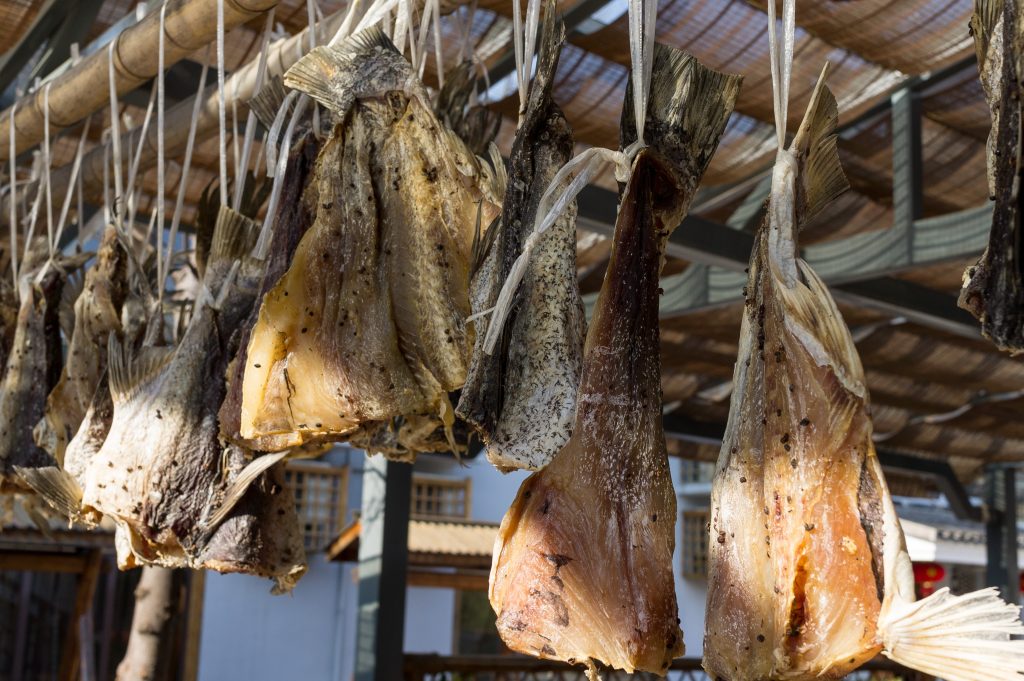
Indonesia is an archipelagic country known for its diverse marine biodiversity. One popular marine product consumed by the community is salted fish. Salted fish plays an important role in Indonesia’s economy due to its high demand and can be produced from various types of fish found in Indonesian waters.
The supply of salted fish in Indonesia is abundant. Many areas are well-known for their production of salted fish, such as Cirebon, Tuban, Sidoarjo, and others. In addition, salted fish is also imported from other countries such as Thailand, Malaysia, and China to meet the domestic market demand.
The processing of salted fish is done using various methods, such as drying under sunlight, smoking, or utilizing preservatives. However, salted fish processing that does not comply with health standards can endanger consumer health and pollute the surrounding environment.
To ensure the supply of quality salted fish, the Indonesian Government has issued various regulations and health standards that must be met by salted fish producers and sellers. In addition, there are also several government programs aimed at improving the quality and quantity of salted fish production in Indonesia.
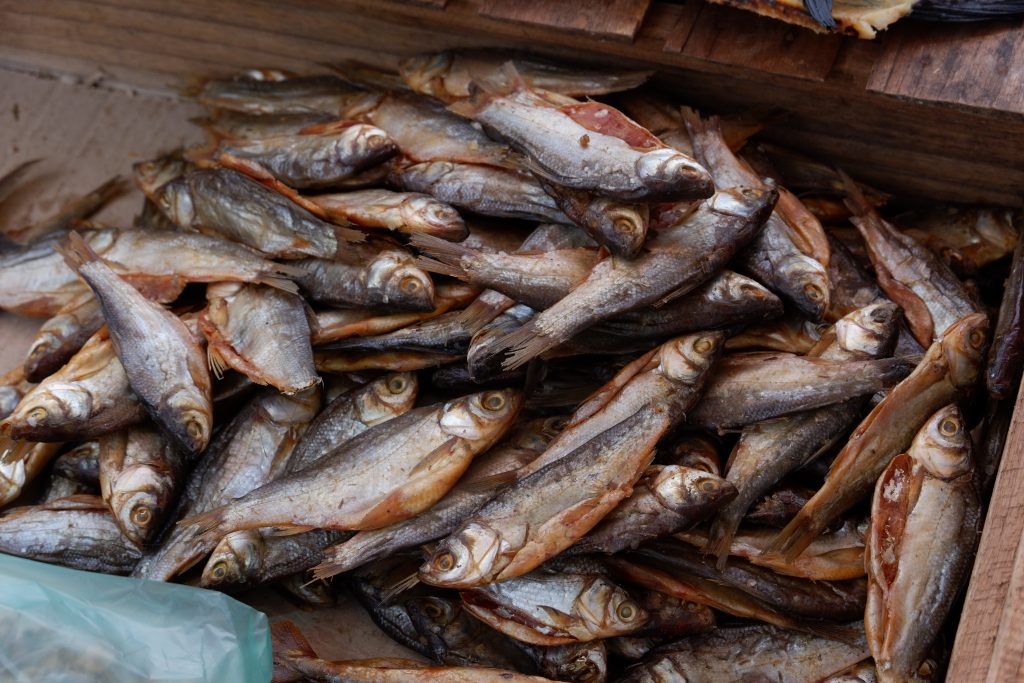
However, despite the abundant supply of salted fish in Indonesia, the price of salted fish tends to be high. This is caused by several factors, such as high production costs, expensive transportation, and high market demand. Therefore, monopolistic or oligopolistic practices in the salted fish business in Indonesia are not uncommon.
Nevertheless, salted fish remains a popular and sought-after product by the Indonesian community. Salted fish can be processed into various delicious dishes and can last for a long period of time. Therefore, the supply of salted fish in Indonesia continues to increase and become an important part of Indonesia’s economic activities