
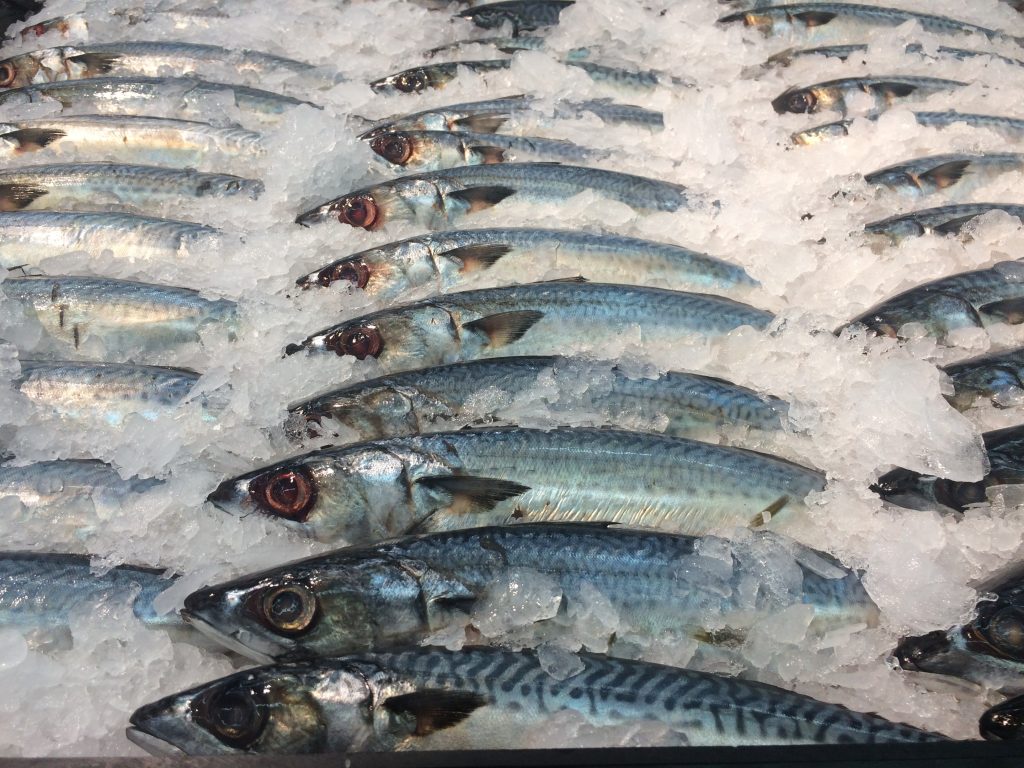
Indonesia has a huge potential in the fisheries sector. Its marine resources cover more than 2.9 million square kilometers, scattered around 17,504 islands. This potential makes Indonesia one of the largest fisheries-producing countries in the world. According to data from the Central Statistics Agency (BPS), Indonesia’s fisheries export in 2021 reached USD 4.62 billion or around IDR 65 trillion.
One of the largest export commodities in Indonesia’s fisheries sector is tuna. Tuna has a high value in the international market, with export destinations including the United States, Japan, South Korea, and European countries. In addition, red snapper, shrimp, lobster, and squid are also commodities in Indonesia’s fisheries export that are highly demanded in the international market.
However, Indonesia still faces several challenges in marketing its fisheries products to the international market. One of the challenges is the tight price competition in the international market. In addition, the suboptimal product quality and unresolved logistic issues also hinder the export of Indonesia’s fisheries products.
To overcome these challenges, the Indonesian government has taken several measures. One of these measures is to improve the quality of Indonesia’s fisheries products through the Seafood Safety and Quality (SSQ) certification program, which aims to ensure the quality and safety of Indonesia’s fisheries products.
Moreover, the Indonesian government has collaborated with export destination countries in infrastructure and logistics development. This is done to improve Indonesia’s infrastructure and logistics conditions to meet the demands of the international market.
In developing its fisheries export, Indonesia also needs to consider environmental factors and maintain the balance of the marine ecosystem. Excessive exploitation of marine resources can cause damage to the marine ecosystem, leading to the scarcity of certain fish species. Therefore, the Indonesian government must also conduct strict monitoring in managing marine resources and maintaining the balance of the marine ecosystem.
In conclusion, Indonesia’s huge potential in the fisheries sector can be a great opportunity for the country’s economic development. However, greater and more serious efforts are needed to improve the quality of fisheries products, improve infrastructure and logistics, and maintain the balance of the marine ecosystem to optimally meet the demands of the international market.